
Table of Contents
ToggleMaking the decision to invest in professional team building facilitation becomes significantly easier when you can visualize the concrete financial returns. Our interactive ROI calculator transforms abstract benefits into tangible numbers, helping you build a compelling business case for team building facilitation services. This comprehensive guide walks you through each step of using the calculator effectively, understanding the metrics behind it, and maximizing the accuracy of your projections.
Understanding the ROI Calculator Framework
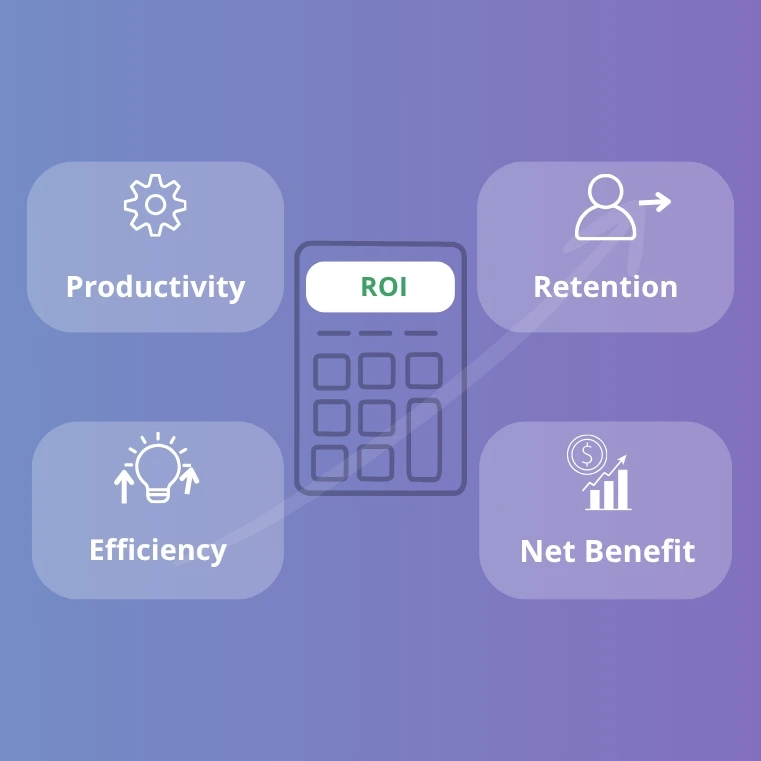
The calculator operates on proven industry benchmarks combined with your organization’s specific parameters. Unlike generic calculators that provide broad estimates, this tool factors in three critical value streams that professional facilitators consistently deliver: productivity enhancement, retention improvement, and operational efficiency gains.
Before entering any numbers, gather accurate baseline data about your team. This preparation ensures your ROI projection reflects reality rather than optimistic assumptions. You’ll need your current team size, average compensation levels, and realistic expectations about improvement percentages based on your organization’s readiness for change.
Understanding the ROI Calculator Framework
Setting Your Team Parameters
Start by entering your team size in the first field. This number should reflect the actual participants in the facilitated sessions, not your entire organization. For organizations planning multiple sessions across departments, calculate each separately for more accurate projections. Teams between 20-100 participants typically see the highest per-person ROI due to optimal group dynamics that certified facilitators can leverage effectively.
The average annual salary field requires careful consideration. Include base salary only—not benefits, bonuses, or overhead costs. The calculator automatically factors in the full employment cost multiplier of 1.5x when calculating replacement costs. For teams with significant salary variations, use the median rather than mean to avoid skewing projections.
Determining Your Investment Level
The facilitator investment field should include all associated costs: facilitator fees, materials, venue (if applicable), and any technology platforms for virtual facilitation. Our research shows that organizations investing between $100-200 per participant achieve optimal value, though this varies based on session complexity and facilitator expertise.
When evaluating investment levels, remember that ActionCOACH certified facilitators often deliver 350% ROI compared to the 280% industry average, justifying slightly higher initial investments for significantly better returns.
Adjusting Performance Improvement Sliders
The three performance sliders—productivity improvement, turnover reduction, and efficiency gain—represent the core value drivers of professional facilitation. These aren’t arbitrary percentages but reflect documented outcomes from thousands of facilitated sessions across industries.
Productivity Improvement captures the enhanced output from better collaboration, clearer communication, and aligned goals. The default 15% setting is conservative; organizations with strong leadership support often achieve the 31% industry average. Consider your current productivity challenges when adjusting this slider. Teams struggling with communication barriers or unclear priorities typically see higher improvements.
Turnover Reduction measures the retention impact of improved team dynamics and employee engagement. The calculator assumes a 15% baseline turnover rate, typical for professional organizations. If your current turnover exceeds 20%, you might reasonably expect higher reduction percentages as team building activities address root causes of dissatisfaction.
Efficiency Gain reflects faster project completion, reduced rework, and streamlined decision-making processes. This metric particularly impacts organizations with complex projects or cross-functional dependencies. Tech companies using team building activities regularly report 40-50% efficiency improvements.
Interpreting Your Results
Once you click “Calculate My ROI,” the calculator reveals four critical metrics that justify your facilitation investment. The headline ROI percentage represents your total return over 12 months, though benefits often continue accumulating for years.
The Productivity Value shows the dollar impact of enhanced team performance. This conservative calculation assumes you’ll capture only 20% of the theoretical productivity gain—a deliberate underestimation that ensures realistic projections.
Retention Savings quantifies the avoided costs of recruitment, onboarding, and productivity loss during transitions. With technical roles costing 150-200% of annual salary to replace, preventing even one departure often justifies the entire facilitation investment.
Efficiency Value translates time savings into dollar terms based on your team’s project portfolio value. This metric resonates particularly well with executives focused on delivery speed and competitive advantage.
The Net Benefit subtracts your investment from total benefits, showing pure value creation. This number, divided by your team size, demonstrates per-employee value—useful for comparing against other development investments.
Maximizing Calculator Accuracy
For the most accurate projections, consider running multiple scenarios. Create conservative, moderate, and optimistic versions by adjusting the improvement sliders. This range helps stakeholders understand potential outcomes and builds confidence in the investment decision.
Factor in your organization’s change readiness. Teams with previous positive experiences with professional development programs typically achieve higher improvement percentages. Conversely, skeptical cultures might require longer realization periods.
Consider calculating separate ROIs for different facilitation formats. Virtual sessions cost 40-60% less than in-person while delivering 80% of the impact—potentially offering superior ROI for distributed teams. Hybrid approaches might show different value propositions depending on your specific circumstances.
Taking Action on Your Results
A positive ROI projection is just the beginning. Transform these numbers into action by downloading the detailed PDF report, which includes implementation timelines and success metrics. Share this documentation with decision-makers, using the concrete projections to overcome budget objections.
Schedule a consultation with certified facilitators in your area to validate your assumptions and refine projections based on your specific context. Professional facilitators can often identify additional value streams unique to your organization that generic calculators miss.
Remember that ROI calculations, while valuable for justification, don’t capture intangible benefits like improved culture, innovation capacity, or employee wellbeing. These “soft” returns often exceed financial gains in long-term impact.
Next Steps
Your calculated ROI provides the business case, but success requires selecting the right facilitator and approach. Explore our comprehensive guide on selecting team building facilitators to ensure you achieve or exceed projected returns.
For organizations ready to move forward, our selecting team building facilitators connects you with qualified facilitators who guarantee specific ROI targets. Don’t let another quarter pass without capturing the value that professional facilitation delivers.
The calculator proves what industry leaders already know: professional team building facilitation isn’t an expense—it’s an investment with measurable returns that compound over time.
Team Building ROI Calculator
Your Personalized Investment Analysis Report
Company Information
1. Input Parameters
| Team Size | |
| Average Annual Salary | |
| Facilitator Investment | |
| Expected Productivity Improvement | |
| Expected Turnover Reduction | |
| Expected Efficiency Gain |